Blog

  • Clinic Review Korea: Honest Guide for Foreign Patients

    Clinic Review Korea: An Honest Guide for International Patients in 2026

    Every year, over 500,000 international patients travel to South Korea specifically for medical and aesthetic treatments, according to the Korea Health Industry Development Institute (KHIDI). The allure is understandable — world-class technology, highly trained surgeons, and prices that can be 30–70% lower than in Western countries. But navigating the Korean clinic landscape without reliable information can be overwhelming and even risky. That’s exactly why an honest clinic review Korea resource matters more than ever.

    This guide is designed to give you a transparent, experience-based breakdown of what to expect when visiting Korean dermatology and aesthetic clinics — from treatment options and real price ranges to safety considerations and how to choose the right provider for your needs.

    Why Korea Is the Global Leader in Aesthetic Medicine

    South Korea’s dominance in aesthetic medicine isn’t accidental. The country has invested heavily in both medical education and cutting-edge equipment. Korean board-certified dermatologists and plastic surgeons often train for 10–15 years before opening a private clinic. The nation also boasts one of the highest concentrations of cosmetic clinics per capita in the world, with Gangnam-gu district alone housing over 500 aesthetic clinics.

    Key Advantages of Korean Clinics

    • Advanced Technology: Korea often receives new laser and RF devices 6–12 months before other markets.
    • Competitive Pricing: Treatments cost significantly less without compromising quality.
    • High Volume Expertise: Korean clinics perform thousands of procedures annually, giving practitioners exceptional hands-on experience.
    • Multilingual Support: Many Gangnam clinics now employ English, Chinese, Japanese, and Vietnamese-speaking coordinators.

    Most Popular Treatments Among International Patients

    Based on patient inquiry data compiled from major Korean medical tourism platforms in 2025, the following treatments attract the highest number of international visitors.

    1. Skin Rejuvenation & Laser Treatments

    Procedures like Fraxel, PicoSure, and CO2 laser resurfacing remain top choices. These target acne scars, hyperpigmentation, enlarged pores, and overall skin texture. A single Pico laser session typically costs between ₩80,000–₩250,000 (approximately $60–$185 USD), while a full Fraxel package can range from ₩500,000–₩1,500,000 ($370–$1,100 USD).

    2. Ultherapy & HIFU Skin Lifting

    High-Intensity Focused Ultrasound (HIFU) treatments, including the globally recognized Ultherapy, are extraordinarily popular for non-surgical lifting of the face, neck, and brow. In Korea, a full-face Ultherapy session costs between ₩300,000–₩900,000 ($220–$665 USD) — often 50–60% less than prices in the US or UK.

    3. Botulinum Toxin (Botox) Injections

    Korea uses premium brands including Botox (Allergan), Dysport, and domestically produced brands like Nabota and Meditoxin. Pricing is typically charged per unit or per area. Expect to pay ₩50,000–₩150,000 per area ($37–$110 USD), making it very cost-effective for combination treatments.

    4. Filler Treatments

    Hyaluronic acid fillers from brands like Juvederm, Restylane, and Teosyal are widely used across Korean clinics. A single syringe typically costs ₩250,000–₩500,000 ($185–$370 USD), depending on the brand and area treated.

    5. Double Eyelid Surgery & Rhinoplasty

    For surgical procedures, Korea is renowned worldwide. Double eyelid surgery (blepharoplasty) ranges from ₩500,000–₩2,000,000 ($370–$1,480 USD) for non-incision techniques, while rhinoplasty can range from ₩3,000,000–₩8,000,000 ($2,220–$5,920 USD). These prices are dramatically lower than equivalent procedures in North America or Europe.

    How to Find an Honest Clinic Review in Korea

    Dr. Kim Soo-Hyun, a board-certified dermatologist with over 15 years of practice in Seoul’s Apgujeong district, advises: “International patients should always verify that a clinic is registered with the Korea Medical Association (KMA) and that the treating physician holds a board certification from the Korean Dermatological Association or Korean Society of Plastic and Reconstructive Surgeons. Credentials are everything.”

    Red Flags to Watch Out For

    • Clinics that cannot provide the doctor’s name and credentials upfront
    • Suspiciously low prices combined with high-pressure sales tactics
    • No clear consent process or pre-treatment consultation
    • Inability to provide before/after photos from real patients
    • Lack of a proper post-treatment follow-up protocol

    Green Flags That Indicate a Trustworthy Clinic

    • Transparent pricing displayed on the website or provided immediately upon request
    • Multilingual staff and patient coordinators
    • Verified reviews on platforms like RealSelf, Naver, or Google
    • JCIA (Joint Commission International) or Korean Ministry of Health certification
    • Willingness to answer all questions before charging any fees

    Understanding the Korean Clinic Experience

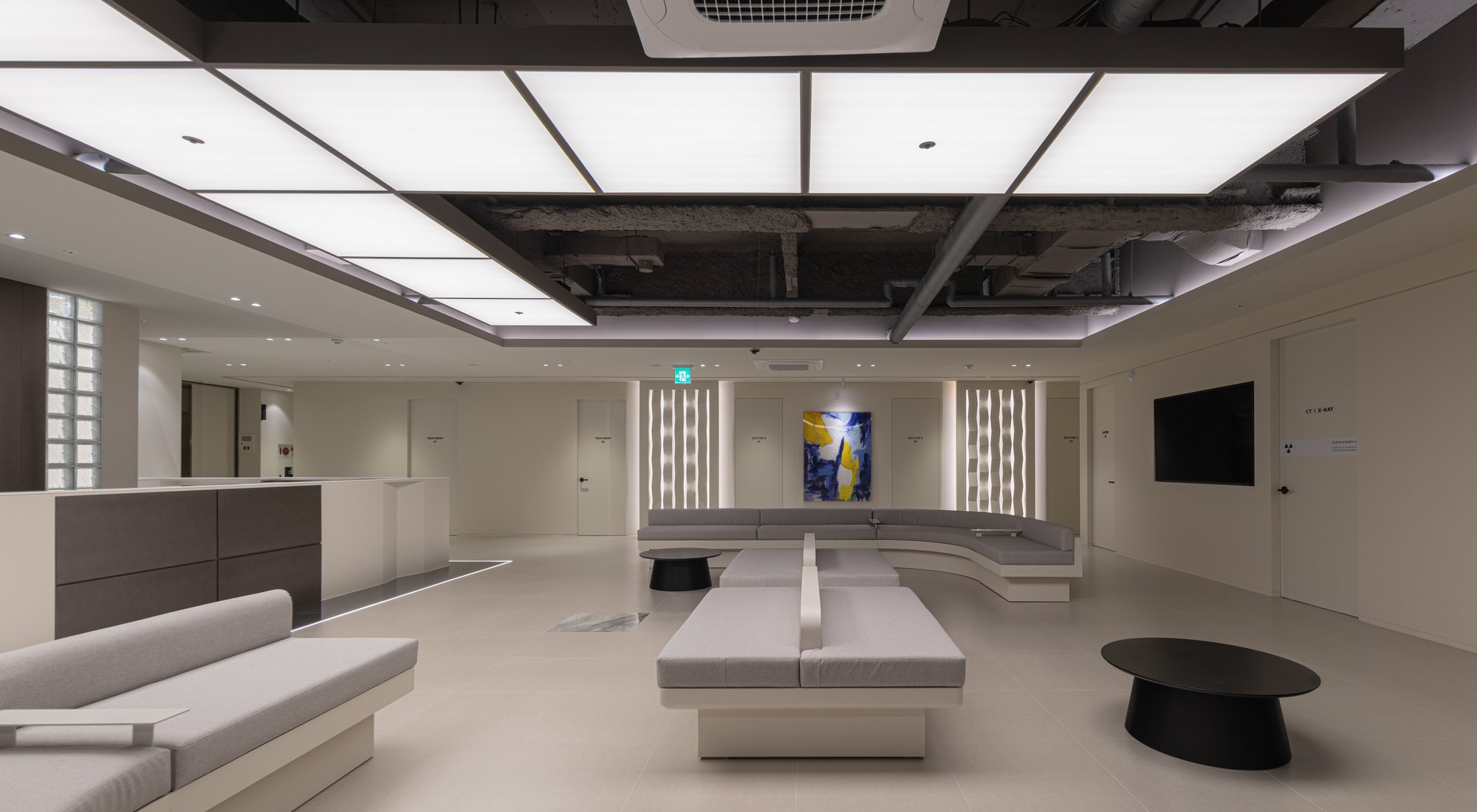
    A typical consultation at a reputable Korean aesthetic clinic follows a structured process. You’ll usually meet a patient coordinator first for intake, followed by a consultation with the doctor — not a nurse or technician. This direct physician involvement is a key differentiator in Korean clinic culture.

    Most Gangnam-area clinics offer same-day treatment after consultation, which suits international patients with limited time. Downtime varies widely by procedure: Botox and fillers require zero downtime, while laser resurfacing may require 3–7 days of redness and peeling. Plan your trip accordingly, especially if you have important events immediately after your visit.

    Price Comparison: Korea vs. Other Countries

    To put things in perspective, a comparative analysis from the International Society of Aesthetic Plastic Surgery (ISAPS) 2025 report indicates that South Korea’s aesthetic treatment costs are consistently 40–65% lower than the US, UK, and Australia. Even factoring in round-trip airfare from major Asian cities, the total cost savings for a comprehensive treatment package remain significant.

    Tips for a Safe and Successful Medical Trip to Korea

    • Book in advance: Top clinics in Gangnam have waiting lists, especially during peak tourism seasons (March–May and September–November).
    • Request an English-language consultation: Most reputable clinics can accommodate this with a coordinator present.
    • Carry your medical history: Particularly important if you have allergies, are on blood thinners, or have had previous procedures.
    • Avoid combining too many procedures in one trip: Overloading treatments increases recovery time and risks.
    • Always get a written treatment plan and receipt: This is crucial for follow-up care or in case of complications at home.

    Frequently Asked Questions (FAQ)

    Q1: Is it safe to get cosmetic treatments at Korean clinics as a foreigner?

    Yes, provided you choose a registered clinic with a certified physician. Always verify credentials through the Korean Medical Association’s public database. Korea’s medical standards are regulated by the Ministry of Health and Welfare, ensuring strict compliance.

    Q2: Do Korean clinics offer services in English?

    Many clinics in the Gangnam, Apgujeong, and Sinchon areas employ English-speaking coordinators. However, the treating physician may communicate primarily in Korean, with the coordinator translating during the consultation.

    Q3: How do I know if an online clinic review Korea resource is honest?

    Look for reviews that include specific details about the procedure, recovery, and results — not just generic praise. Verified platforms like Google Reviews, RealSelf, and reputable medical tourism sites with editorial oversight are more reliable than anonymous forum posts.

    Q4: What is the best time of year to visit Korea for aesthetic treatments?

    Spring (March–May) and autumn (September–November) are ideal — mild weather, lower sun intensity, and shorter recovery discomfort. Summer heat can aggravate post-laser skin, and winter dryness can slow healing.

    Q5: Can I combine a tourist trip to Korea with aesthetic treatments?

    Absolutely. Many international patients build a 7–10 day itinerary combining sightseeing with 1–3 treatment sessions. Just ensure you schedule treatments early in the trip so you have recovery time before flying home. Avoid strenuous activities and sun exposure post-treatment.

    Q6: What payment methods do Korean clinics accept?

    Most reputable clinics accept major international credit cards (Visa, Mastercard), cash in Korean Won, and some now accept digital payments. Always confirm in advance and request an itemized receipt for insurance or personal records.

    Ready to Plan Your Korea Clinic Visit?

    At Clinic Review Korea, we’re committed to providing honest, experience-based insights to help international patients make informed decisions. Whether you’re considering your first Pico laser session or planning a comprehensive skin rejuvenation package, our team is here to guide you every step of the way.

    📲 Contact us directly on WhatsApp for personalized clinic recommendations, price quotes, and appointment assistance: Chat with us on WhatsApp. Our coordinators are available 7 days a week to answer your questions in English.

    Related Articles